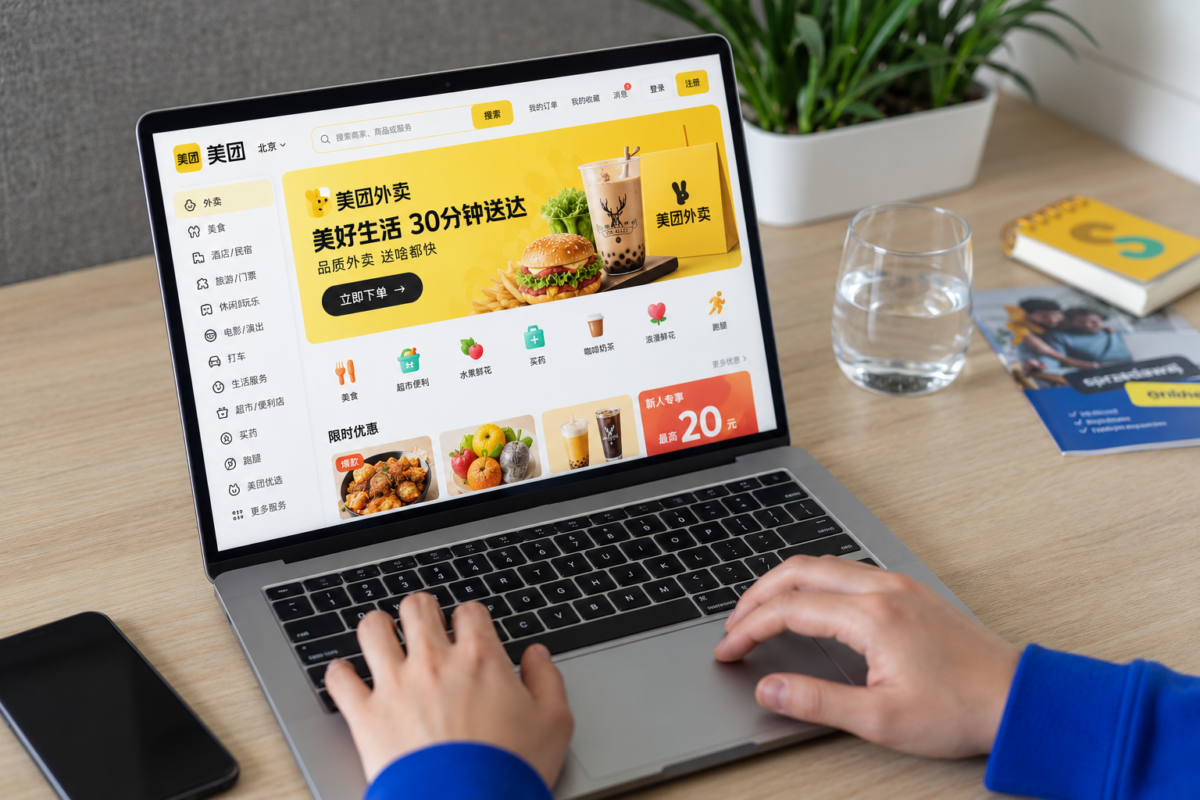
Delivery speed has become the new battleground in China’s e-commerce market. The fast delivery that consumers first got used to through food delivery apps has spread well beyond groceries into cosmetics, medicine, flowers and small electronics, and Meituan, Alibaba and JD.com are now competing head-to-head in China’s quick commerce market.
According to Reuters, China’s quick commerce market is expected to reach 1.2 trillion yuan (roughly $178 billion) by the end of 2026 and grow at a compound annual rate of 12.6% through 2030. Quick commerce is no longer just an extension of food delivery. It has become a new retail model that ties together online platforms, physical stores, urban inventory and last mile delivery.
What is driving this rapid growth in China’s quick commerce market? And how do Meituan, Alibaba and JD.com differ in their approach? This piece looks at both questions, along with the logistics and profitability structure behind fast delivery.
Why Chinese Consumers Are Choosing One-Hour Delivery Over Next-Day Delivery
Ordering something online and waiting a day or two for it to arrive is nothing new. If you are comparing prices or reading reviews before you buy, a day of delivery time is not a big deal. But sometimes a charger suddenly stops working, you realize halfway through cooking dinner that you are missing an ingredient or your makeup runs out right before you head out the door. In the past, that meant a trip to the nearest convenience store or supermarket. In China today, these same items can be ordered through an app and delivered within a short window of time.
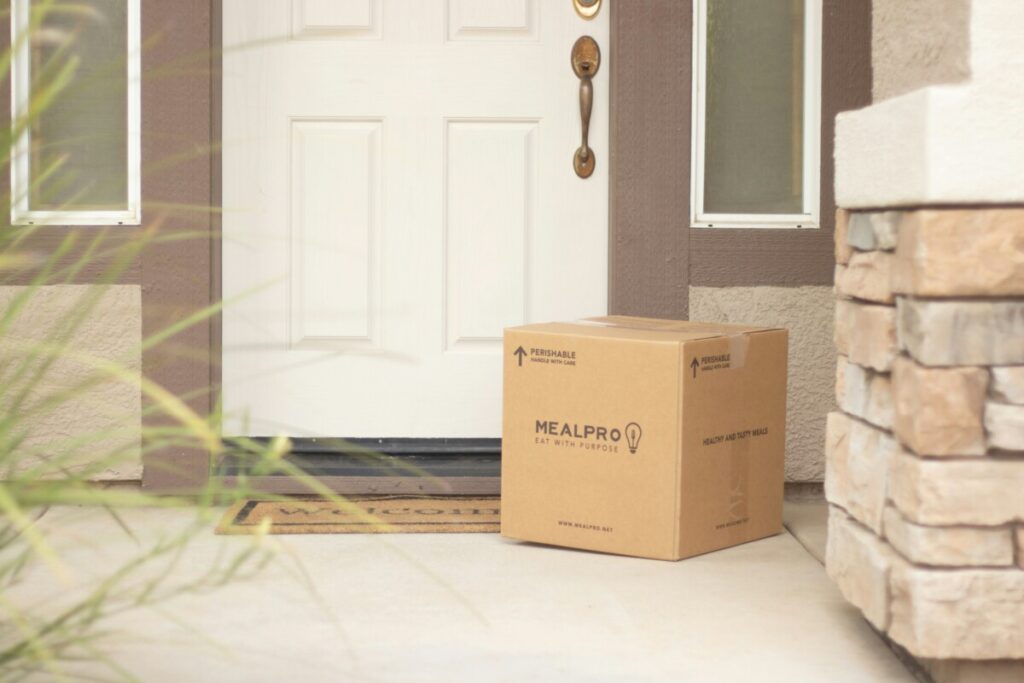
This is possible because the inventory sits in stores and nearby fulfillment points close to the consumer rather than in large, distant warehouses. Once an order comes in, the item is picked, packed and dispatched from a location nearby. By shortening the distance a product needs to travel, things that once required an in-person trip can now be delivered quickly to a home or office.
Reuters profiled a consumer in Beijing who shops this way. She placed an order on her way to meet friends, and the delivery arrived at almost the same time she reached the restaurant. “I’ve gotten used to shopping like this,” she said in the interview. “The moment I think of something I need, I buy it, and it shows up right away.” It’s a small example of a much bigger shift: ordering the instant a need comes up and receiving it almost as fast is becoming a normal way for Chinese consumers to shop.
Not every order placed through China’s quick commerce platforms arrives within an hour. Actual delivery time depends on the city, the neighborhood, the product and the time of day. “One-hour delivery” here is less about hitting exactly 60 minutes and more about using inventory that sits close to the consumer to deliver far faster than typical e-commerce.
| Model | Typical Delivery Lead Time | Key Fulfillment Points | Main Use Case | Core Competitive Edge |
|---|---|---|---|---|
| Early morning delivery | Next day, before dawn | Large warehouses, cold chain | Routine grocery restocking | Inventory scale, product range, cold chain |
| Same-day delivery | Same day as order | Regional warehouses, stores | Planned purchases, replenishment | Order cutoff times, regional coverage |
| Quick commerce | Roughly 30 minutes to an hour | Nearby stores, local fulfillment points | Urgent needs, small basket grocery runs, immediate use | Delivery distance, order density, inventory accuracy |
As delivery gets faster, the kind of space used to fulfill online orders is changing too. Large warehouses used to be the center of the operation. Under quick commerce, neighborhood supermarkets, brand stores and online-order-only outlets located close to consumers now double as fulfillment points.
The Coupons Are Gone. The Convenience Habit Isn’t
One major reason China’s quick commerce market grew so fast is the fierce delivery competition among Meituan, Alibaba and JD.com. According to Reuters, all three companies pulled in users with coupons, free shipping and merchant incentives, and in the process a large number of consumers got used to fast delivery. What started mainly as competition over food delivery quickly spread to groceries, household goods, cosmetics and other categories.
What Matters Now Is Profitability After the Subsidies
The problem is that constantly pouring out discounts and coupons is not a strategy that can last. Order volume can grow quickly this way, but so does the cost the platform has to absorb, and it can also squeeze the margins of the merchants selling on the platform.
In June 2026, China’s State Administration for Market Regulation published draft guidelines on its official website aimed at reining in subsidy competition among food delivery platforms. The draft targets practices such as prolonged, large-scale subsidies that distort market order and unfair pressure on merchants to join discount campaigns or shoulder the cost of them.
Even so, a cooldown in discounting does not erase the convenience consumers have already gotten used to. In its second quarter 2026 earnings release, Meituan noted that quick commerce is reshaping what consumers expect around convenience and reliability. The bigger challenge now is less about driving more orders with coupons and more about keeping consumers coming back without discounts, while still turning those orders into real profit.
The Next Growth Engine Is Non-Food Categories
Food is something people can order multiple times a day, which keeps them opening the app regularly. For a platform, if those food delivery customers can also be persuaded to buy groceries, household goods and cosmetics through the same app, the addressable market grows substantially.
According to Reuters, consumers in major Chinese cities can now get groceries, cosmetics, electronics, flowers and medicine delivered within roughly an hour. Products that people tend to need on short notice are a particularly good fit for quick commerce.
- Medicine and health products: often needed on short notice, so fast delivery adds real value
- Beauty and personal care: bought urgently when a product runs out or right before heading out
- Pet supplies and household consumables: items like pet food, hygiene products, tissue and detergent that need regular restocking
- Small electronics: chargers and cables that people frequently need at short notice
- Flowers and gifts: purchases tied to a clear moment, such as a date or an anniversary
On the other hand, bulky items, fragile products and goods that often involve sizing issues or returns tend not to fit the quick commerce model well. The hassle of handling delivery and returns can outweigh the benefit of getting them fast. In the end, the products that fit quick commerce best are not necessarily the ones that sell well online in general. They are the ones consumers frequently feel they need right now.
Meituan: Turning Food Delivery Customers Into Everyday Shoppers
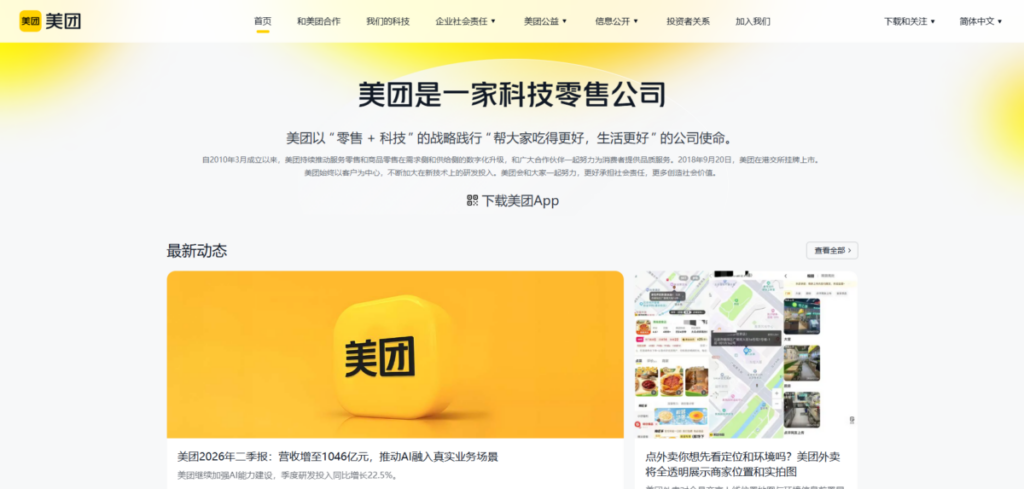
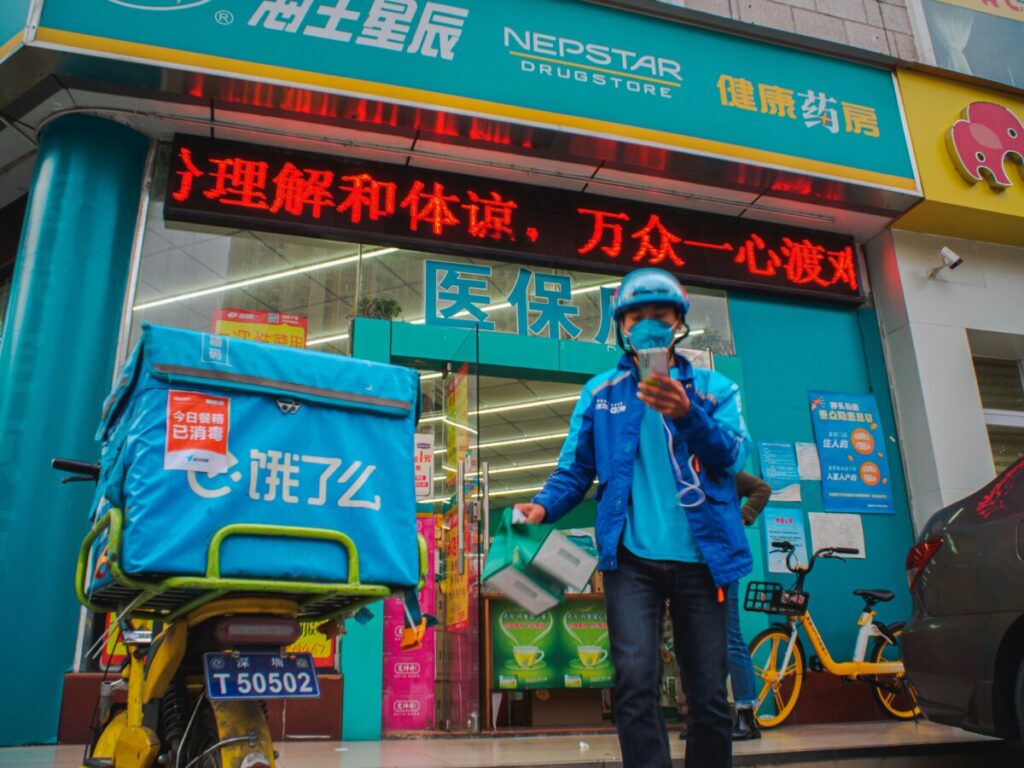
Meituan’s strength lies in the consumer reach and local delivery network it has built through food delivery and local commerce. Food delivery orders cluster around specific windows, such as lunch and dinner, and each order needs to be fulfilled immediately. That has forced Meituan to get good at forecasting demand, deploying riders and connecting stores with customers in real time. It is now extending that foundation into groceries and household goods.
In second quarter results published on its investor relations page on August 28, 2026, Meituan reported revenue of 104.6 billion yuan, up 14.4% year over year. Revenue from its core local commerce segment rose 10.1% to 71.5 billion yuan.
It would be an oversimplification to credit Meituan’s edge purely to having more delivery riders. It already has consumers who open the app frequently for food orders, along with a large base of local merchants, order and dispatch data and a dense local delivery network. If customers who came in for food end up buying groceries and household items in the same app, Meituan can expand its share of their spending without having to acquire new customers from scratch.
Meituan is also expanding its grocery business. In the same earnings release, the company said its self-operated quick commerce supermarket brand, Xiaoxiang Supermarket (小象超市), now operates in 68 cities. Xiaoxiang Supermarket, rebranded from Meituan Maicai in 2023, delivers fresh food and household goods from fulfillment points close to consumers. It reflects Meituan’s push to extend the customer relationships it built through food delivery into grocery shopping and everyday purchases.
More orders don’t automatically translate into better profitability, though. An order for just one or two low-priced items can cost more to pick and deliver than it earns in margin. Growing order volume has to go hand in hand with getting customers to buy more per order and lowering the cost of fulfilling each delivery.
Alibaba: Adding Fast Delivery to Taobao’s Existing Shoppers
Alibaba is starting from a different place than Meituan. Where Meituan is trying to sell a wider range of products to its existing food delivery customers, Alibaba is focused on getting products to shoppers who are already buying on Taobao faster. Alibaba’s China quick commerce business includes Taobao Instant Commerce and Freshippo (Hema), its fresh food and supermarket business. If an item ordered on Taobao is sitting in a nearby store or fulfillment point, it can be delivered directly from there instead of being shipped from a distant warehouse.
In its June quarter results, announced on August 20, 2026 and filed with the U.S. Securities and Exchange Commission, Alibaba reported China quick commerce revenue of 53.295 billion yuan, up 45% year over year. The company said Freshippo and Taobao Instant Commerce were the main drivers of that growth. Because Taobao already has a large base of consumers and merchants, Alibaba’s advantage is being able to extend that existing shopping demand into fast delivery.
Alibaba has also been putting as much weight on profitability as on order growth lately. In the same earnings statement, the company said average order value on Taobao Instant Commerce has risen and logistics efficiency has improved. Alibaba CFO Toby Xu said the quick commerce business is maintaining its market share while continuing to improve profitability per order.
Bundling several household or beauty items into a single delivery reduces the relative cost per order compared with sending just one cheap item at a time. That’s why Alibaba is pushing to raise both average order value and non-food sales together. Going forward, the key question is how quickly and accurately Alibaba can match Taobao’s large order volume with real inventory near consumers while still making money on it.
JD.com: Putting Its Logistics Strength to Work in Urban Delivery
JD.com has long built its competitive edge around supply chain and fulfillment operations. Its nationwide network of warehouses and delivery routes used to be the core strength, but quick commerce puts a premium on something different: keeping inventory close to consumers so it can be delivered within a short window. Even a well-built nationwide logistics network struggles to deliver within an hour if the ordered item is sitting far away.
In response, JD.com is expanding its quick commerce logistics by placing inventory closer to areas with high consumer density. Reuters reported that as competition in China’s quick commerce market shifts from subsidies toward logistics infrastructure, both Alibaba and JD.com have been opening more dark stores (online-order-only outlets) and small local fulfillment points known as lightning warehouses that keep inventory close to consumers.
In second quarter results published on its investor relations website on August 13, 2026, JD.com reported total revenue of 346.4 billion yuan and operating profit of 4.5 billion yuan. Operating profit at its core JD Retail business came to 13.5 billion yuan. The same release said spending on JD Food Delivery fell sharply from a year earlier, and losses in that business narrowed as operating efficiency improved and revenue sources diversified.
JD.com, too, is moving on from a phase of aggressive spending to acquire users toward one where cost and profitability matter just as much. Its accumulated logistics expertise is a real advantage, but a nationwide delivery network alone is not enough for quick commerce. JD.com needs to stock the right products close to consumers and secure enough order volume in each area to translate its existing logistics strength into fast delivery.
Meituan, Alibaba and JD.com: Competing on Different Strengths
All three companies compete in the same China quick commerce market, but each is playing to a different strength.
| Company | Core Strategy | Key Assets | Main Operating Challenge |
|---|---|---|---|
| Meituan | Expand food delivery customers’ purchases into groceries and household goods | Rider network, local merchants, order and dispatch data | Lowering delivery cost, building order volume by region |
| Alibaba | Bring fast delivery to existing Taobao shoppers | Taobao traffic, seller ecosystem, Freshippo | Inventory integration, average order value, logistics efficiency |
| JD.com | Apply existing supply chain and logistics strength to urban local delivery | Supply chain, logistics and fulfillment | Urban inventory placement, order volume, logistics cost management |
Meituan is well positioned to get customers who already open the app for food delivery to also buy groceries and household items. Alibaba can offer fast delivery to consumers who are already looking for products on Taobao, and JD.com can apply the supply chain and logistics expertise it has built up over the years to short-distance urban delivery.
Citing data from research firm Analysys, Reuters reported that Taobao Instant Commerce and Meituan effectively formed a two-way race in China’s quick commerce market in the second quarter of 2026, holding market shares of 45.7% and 45.3% respectively, with JD.com at 7.7%. These figures come from an outside research firm rather than the companies themselves, so they are best read as a snapshot of the competitive landscape at the time rather than a definitive measure of market share.
In the end, all three companies are working through similar problems. The products consumers want need to be nearby, and the inventory shown in the app has to match what is actually on the shelf. Order volume in a given area also needs to be consistent enough to keep delivery costs down. Ultimately, what determines competitiveness is not just the size of the platform but how reliably it can manage inventory, orders and delivery at the local level.
The Real Contest Is Urban Inventory and Profitability, Not Just Speed
Delivery time is what consumers notice first, but what actually makes fast delivery possible is inventory sitting close by. No matter how good the dispatch system is, it’s hard to consistently deliver in 30 minutes or an hour if the product is far away.
What Matters Is Inventory Close to the Consumer
Under quick commerce, existing physical stores double as fulfillment points for online orders. When an order comes in, staff pick and pack the item at the store and hand it straight to a rider. There is no need to route through a distant large warehouse, which cuts delivery time accordingly.
Some companies also operate dedicated stores or small fulfillment points that handle only online orders. Since regular customers never walk in, these spaces can be designed entirely around picking and shipping items quickly rather than looking presentable.
Placing products nearby is not enough on its own, though. The inventory shown in the app has to exactly match what’s actually on the shelf, and stores need to be able to pick and pack the moment an order arrives. If a customer pays for an item that turns out to be out of stock, the order has to be cancelled or swapped for something else. Even with inventory nearby, if that happens often, it becomes hard to reliably deliver within an hour.
That’s why, in quick commerce, what matters more than the number of large warehouses a company owns is how well it places the products consumers frequently want close by and how accurately and quickly it can manage that inventory and ship it out.
The Cost Structure Behind Fast Delivery
Being able to deliver fast doesn’t help much if every order costs more than it should. Quick commerce carries a whole stack of costs per order, from picking and packing to discounts and promotions, payment processing fees and rider delivery pay. When the order value is small but the delivery distance is long, the burden of fulfilling that single order grows. On the other hand, a steady stream of orders from the same area cuts down on rider travel distance and wait time, and when more customers buy several items in one order, the cost of fulfilling each delivery comes down as well.
That’s why evaluating a quick commerce business means looking beyond order growth alone and tracking a few other metrics as well.
- Average order value (AOV): how much a customer spends per order on average
- Contribution margin per order: what remains after subtracting the direct costs of fulfilling an order from the revenue it generates
- Order density: how concentrated orders are in a given area and time window
- On-time delivery rate: the share of orders delivered within the promised time
- Cancellation and substitution rate: how often orders are cancelled or swapped for another item due to stockouts
Alibaba’s recent emphasis on average order value, logistics efficiency and per-order profit improvement fits this same pattern, as does JD.com’s disclosure that losses in its food delivery business have narrowed. Order growth was the priority at first. Now the more important question is whether a platform can actually turn a profit once that growth has been achieved.
Conclusion: The Next Phase of Competition in China Quick Commerce Is Efficiency
China’s quick commerce market started with food delivery and has quickly expanded into groceries, cosmetics, medicine, household goods and electronics.
Meituan is competing on the customer base and local delivery network it built through food delivery. Alibaba is drawing on Taobao’s shopping traffic and seller ecosystem. JD.com is leaning on its existing supply chain and logistics expertise. They are starting from different places, but they all face the same requirement: stock the right products close to consumers, fulfill orders quickly and accurately and still turn a profit doing it.
Going forward, the outcome of this competition is likely to hinge less on shaving off a few more minutes of delivery time and more on how well each company positions the right products near its customers and turns fast delivery into a genuinely profitable business.
There is only so much public information can tell you about China’s quick commerce market. For a closer look, you can speak directly with experts who have actually worked in quick commerce, e-commerce or logistics roles at Meituan, Alibaba or JD.com, and ask them about local operations, competitive strategy or logistics structure firsthand. If you’d like to talk to an expert with hands-on experience in China’s e-commerce market, reach out to Liahnson&Company. We’ll connect you with the right expert using our proprietary database of more than 6 million professionals.

Source
https://www.reuters.com/business/retail-consumer/chinese-e-commerce-moves-next-phase-after-delivery-price-war-changes-shopping-2026-09-03
https://www.meituan.com/news/NN260828216013035
https://www.sec.gov/Archives/edgar/data/1577552/000110465926099220/tm2623667d1_ex99-1.htm
https://ir.jd.com/news-releases/news-release-details/jdcom-announces-second-quarter-and-interim-2026-results
https://www.samr.gov.cn/hd/zjdc/art/2026/art_53279f84120f4f2ab7dee21fda2c4bd2.html