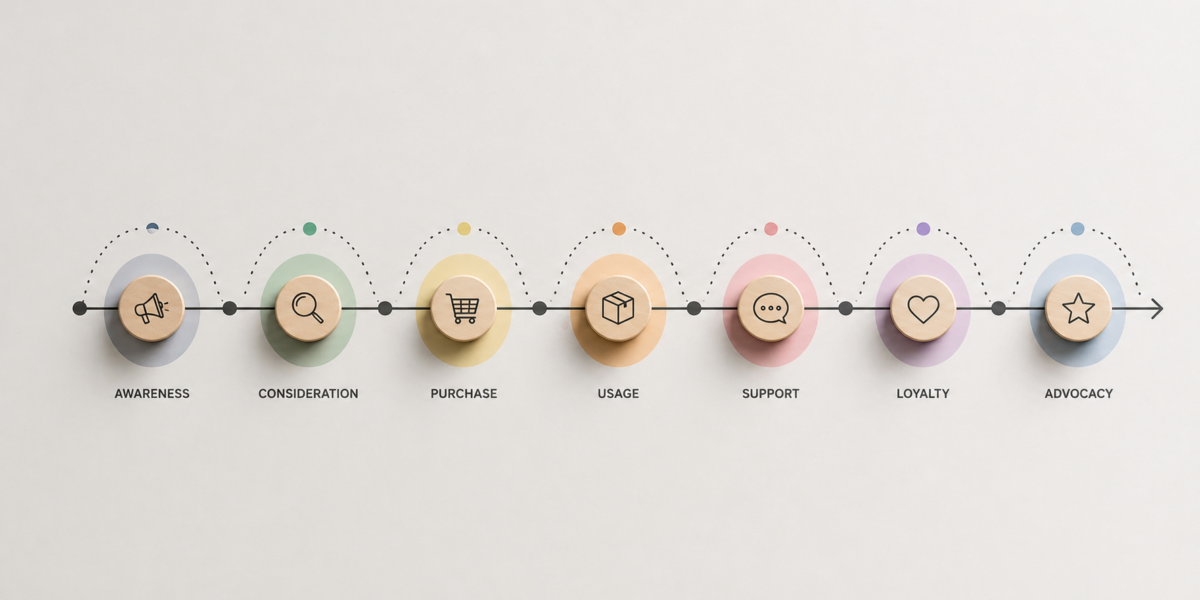
Customer expectations have fundamentally changed. Today, customers evaluate the entire experience a brand provides, not just its products or pricing.
This shift has made customer experience a core business priority. Companies are no longer competing only on what they sell, but on how they deliver value across every touchpoint.
However, many organizations struggle to turn this into results. Conversion rates plateau, repeat purchases remain low, and brand loyalty is difficult to sustain. In many cases, the issue lies not in the product, but in how the overall experience is designed.
This is why customer experience companies are becoming increasingly important, especially in Korea, where expectations are high and switching between brands happens quickly.

What is a Customer Experience Company
So what exactly is a customer experience company?
A customer experience company helps businesses design better experiences across the entire customer journey, from initial awareness to interaction, purchase, and repeat engagement. Many companies still understand customer experience as customer service or VOC management, but in reality, CX covers a much broader scope.
Customer experience includes every touchpoint, from the first moment a customer becomes aware of a brand, to website navigation, purchasing, service usage, and post purchase communication.
This is where the difference between a customer service function and a customer experience company becomes clear.
| Category | Customer Service Organization CS | Customer Experience Company CX |
|---|---|---|
| Role | Responds to issues after they occur | Designs experiences to prevent issues from occurring |
| Perspective | Focused on individual issues | Focused on the entire customer journey |
| Timing | Reactive | Proactive |
| Goal | Resolve dissatisfaction | Improve conversion, retention, and loyalty |
If a customer service organization focuses on how to respond after a problem occurs, a customer experience company focuses on how to design the experience so that problems do not occur in the first place.
In Korea, this concept is evolving more rapidly. Customer expectations are high, and services are compared instantly across alternatives. As a result, companies are moving beyond customer support and focusing more on designing the entire experience.
Why Customer Experience Matters
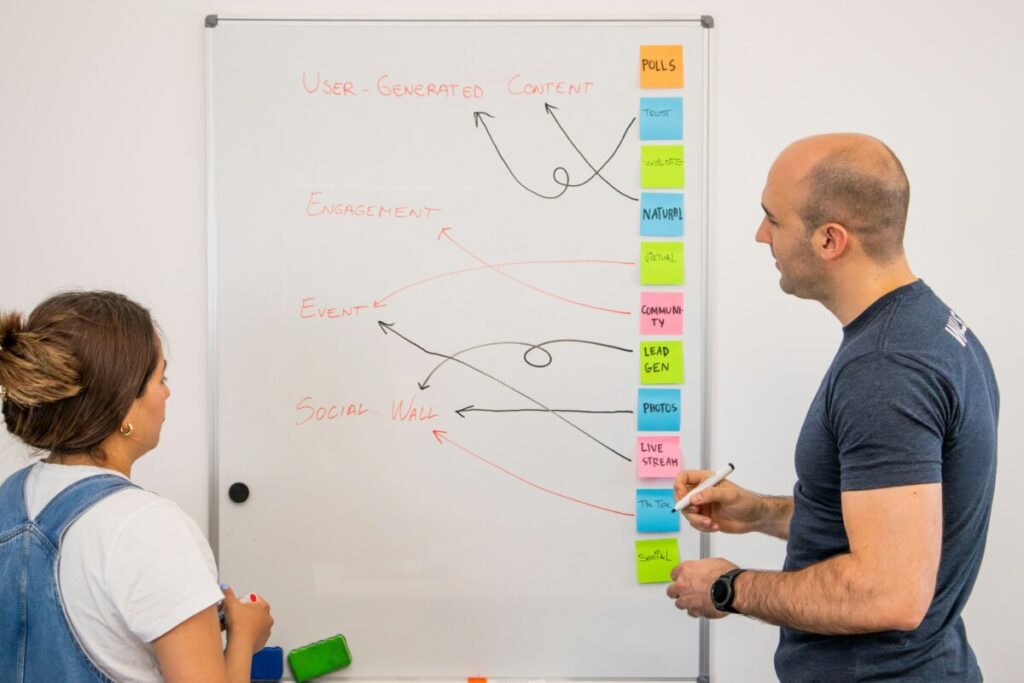
Customers no longer choose brands based only on products. From the moment they first encounter a brand, through exploration, purchase, usage, and even after that, they evaluate the entire experience. When this flow is inconsistent or breaks at any point, even a strong product may not lead to repeat selection.
Because of this shift, customer experience has become a core driver of business performance rather than a supporting function.
1) The overall quality of customer experience is declining
Many companies are actively managing customer experience, yet the level perceived by customers often falls short of expectations. According to Forrester, the quality of customer experience among US brands has declined for three consecutive years.
This finding highlights that customer experience is not an isolated challenge faced by a few companies, but a structural issue affecting a broad range of industries.
2) Customer expectations have fundamentally changed
At the same time, customer expectations continue to rise. According to Sprinklr, 63 percent of customers expect personalized experiences as a baseline.
Customers no longer expect simply functional or error free interactions. They expect experiences that are tailored, responsive, and consistent across all touchpoints. Personalization and convenience are no longer differentiators but basic requirements.
3) This gap directly impacts business performance
The most important point is that these two trends exist simultaneously.
- Customer expectations continue to increase
- Company execution levels do not keep up at the same pace
- The gap leads directly to switching behavior and brand choice
As a result, customer experience is no longer something that adds value when done well. It is something that directly leads to loss of customers when not properly designed.
4) Why this matters even more in Korea
The impact of customer experience is even more pronounced in the Korean market. Mobile first behavior is dominant, and customers can compare multiple services in real time. Even small inconveniences can quickly lead to switching to alternative options.
In addition, reviews and reputation play a critical role. A single negative experience can influence overall brand perception and spread quickly across digital channels.
Because of these characteristics, customer experience in Korea is not an optional enhancement. It is a fundamental factor that determines competitiveness.

What Customer Experience Companies Do
Customer experience companies do not simply improve customer service. They focus on understanding the full customer journey and identifying where the experience breaks down.
Many companies face similar challenges.
- Customers enter, but conversion remains low
- Purchases occur, but do not lead to repeat engagement
- Data exists, but the reasons are unclear
These issues are rarely caused by a single function. Instead, they come from gaps across the experience.
Customer experience companies focus on key points in the journey.
- Where customers enter
- Where they hesitate
- Where they drop off
- What brings them back
Their role is not only to analyze what is happening, but to explain why and define what needs to change.
In fast moving markets like Korea, where customer behavior shifts quickly, this ability to connect insight to execution is critical.
Why CX Fails
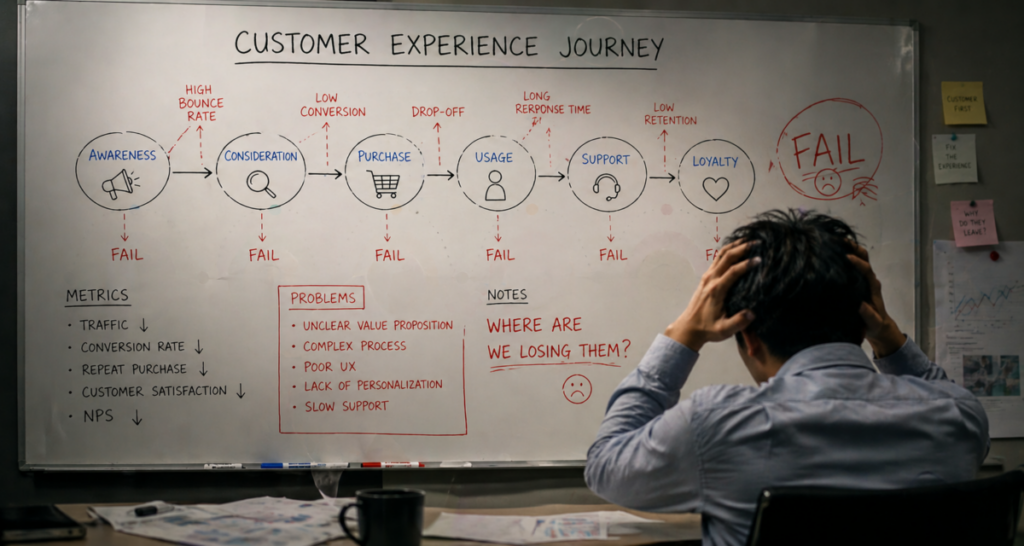
Many companies understand the importance of customer experience, but fewer succeed in turning it into measurable results. In most cases, the issue is not what to do, but how the problem is approached.
The most common reasons are as follows.
- Data only approach Metrics such as conversion and drop off rates show what is happening, but not why. As a result, companies improve numbers without improving the actual experience.
- Internal perspective Decisions are often made based on internal efficiency or operational logic, while customers evaluate experiences based on entirely different criteria. This gap leads to limited impact even after improvements are made.
- Organizational silos Marketing, product, operations, and customer support often operate separately. While customers experience a continuous journey, internal teams manage fragmented parts of it.
- Lack of qualitative insight Data explains outcomes, but not customer intent or perception. Without understanding how customers actually feel and decide, it is difficult to identify the real problem.
Ultimately, CX fails when problems are interpreted from an internal perspective rather than from the customer point of view. Effective customer experience design requires both data and context.

How to Choose a Customer Experience Company
Selecting the right customer experience company requires more than reviewing case studies or company size. What matters most is whether the company can deliver practical insights and translate them into execution.
The following checklist provides a clear framework for evaluation.
| Criteria | What to Look For |
|---|---|
| Industry Understanding | Ability to understand how customers behave within a specific industry |
| Data Approach | Capability to combine quantitative data with qualitative insights |
| Execution Feasibility | Recommendations that can be realistically implemented within the organization |
| Source of Insight | Whether insights are based on real experience rather than only research |
These criteria directly impact outcomes. In particular, the source of insight determines the depth and applicability of strategy. The same data can lead to very different decisions depending on how it is interpreted.
In Korea, speed and practicality are especially important. If insights cannot be quickly applied, companies risk falling behind in a fast moving and highly competitive environment.
Ultimately, the key is not how detailed the analysis is, but whether the insights connect to real customer behavior and can be executed within the organization.
What It Takes to Build Effective Customer Experience
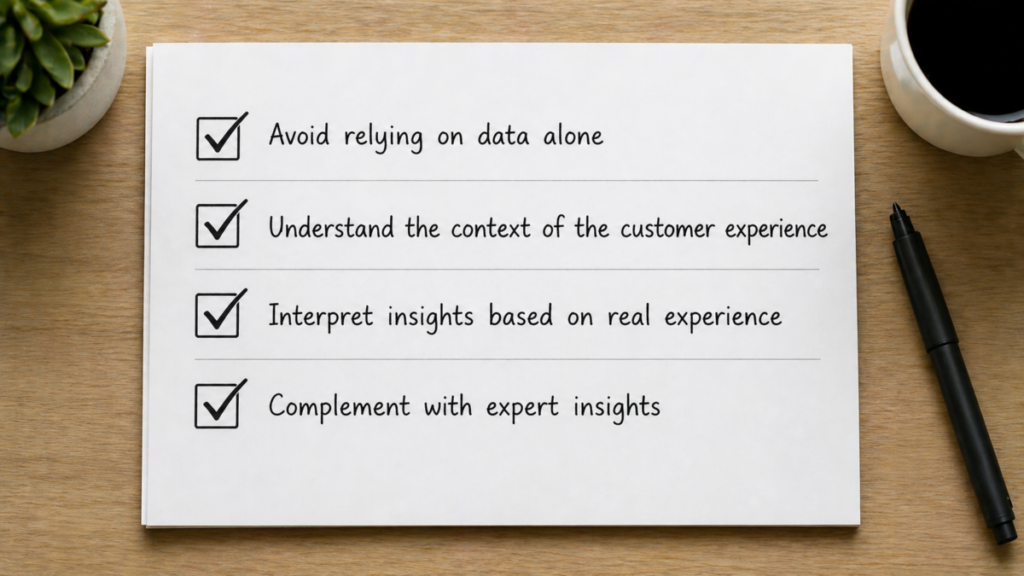
As discussed, customer experience cannot be fully understood through data alone. Many companies identify issues through metrics, but struggle to explain why those outcomes occur.
Why data alone is not enough
Metrics such as drop off rates and conversion rates show results, but not the reasons behind them. Why customers stop at a certain point, what caused friction, and how they make decisions are often not visible in data.
This leads to a common situation in CX where the problem is visible, but the root cause is not. Without understanding the underlying context, it becomes difficult to define the right solution.
Combining customer perspective with market context
To address this gap, it is essential to look at both the customer experience and the broader market context. Customer interviews reveal what people actually experience, while expert perspectives explain the structure, expectations, and decision making frameworks behind those experiences.
This becomes even more important in B2B environments, where decisions are influenced not only by individual preference, but also by organizational processes, industry standards, and competitive dynamics. In Korea, where decision cycles are fast and expectations are high, understanding this context is critical.
Experience based insight as a key differentiator
The key is not just data, but how that data is interpreted.
- Research focused approaches show what is happening
- Experience based approaches explain why it is happening
This difference directly impacts execution. Insights grounded in real experience can identify issues faster and lead to more practical solutions.
Why expert interviews matter
One of the most effective ways to capture this level of insight is through expert interviews. Professionals who have directly designed and managed customer experience bring perspectives that go beyond surface level analysis. They can explain decision making logic, customer expectations, and industry specific nuances that are difficult to extract from data alone.
This is particularly important in Korea, where customer expectations are high and switching behavior is fast. Practical insight based on real experience allows companies to move from analysis to execution more effectively.
Liahnson & Company stands out in this context. With a network of over five million professionals in Korea, it provides access to experts who have direct experience in customer decision making and experience design across industries. This enables companies to go beyond data analysis and build customer experience strategies that are grounded in real market conditions.
Conclusion
Customer experience is no longer an optional capability. It is a core driver of brand performance. Customers evaluate brands based on the experiences they deliver, and those experiences determine whether they return or switch.
In markets like Korea, where expectations are high and competition moves quickly, the ability to design and execute effective customer experience becomes a key differentiator. Combining data with real world insight allows companies to move beyond analysis and build strategies that lead to measurable results.

Source
https://www.sprinklr.com/blog/customer-experience-statistics