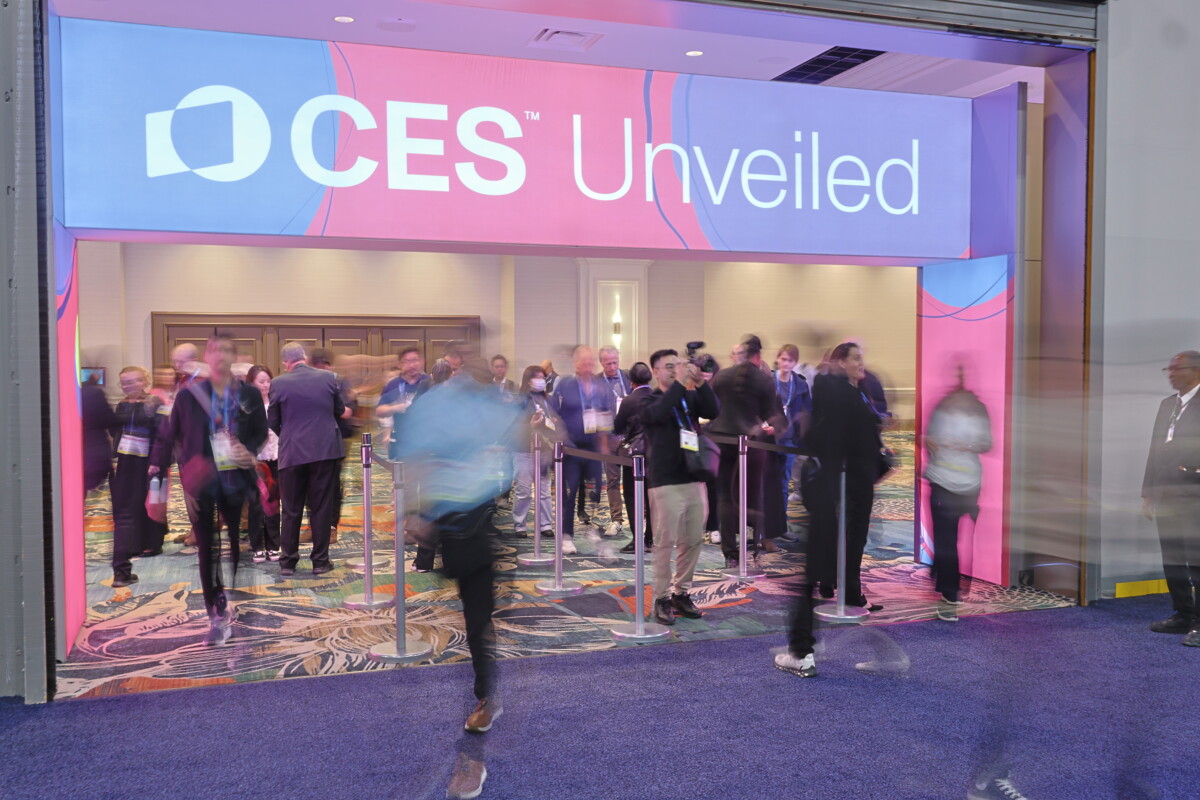
CES 2026, the world’s largest technology and consumer electronics exhibition, closed on January 9. This year’s theme was Innovators Show Up. While previous CES events asked what AI might be able to do, the 2026 edition showed what AI is already doing across the real world.
More than 4,000 companies participated, and over 130,000 people attended. Across the exhibition halls, the message was consistent. Artificial intelligence has moved beyond experimentation and is now being deployed at scale across industries.
This article brings together the most important developments from CES 2026, offering a clear view of how technology is beginning to reshape daily life, industry, and human experience.
NVIDIA Rubin and Alpamayo Show How Physical AI Reached a Breakthrough
The most talked about company at CES 2026 was NVIDIA. CEO Jensen Huang told the audience that accelerated computing and AI have completely reshaped the foundations of computing. His message was not about the distant future, but about the present moment, where intelligence and physical systems are beginning to merge.
1. Rubin Is NVIDIA’s Next Generation AI Platform
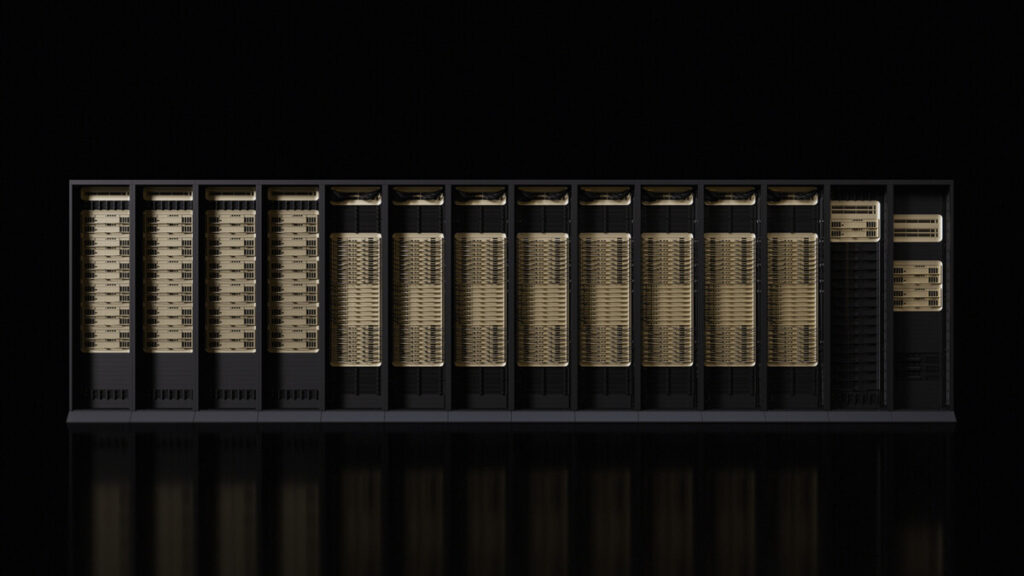
One of the key announcements was Rubin, NVIDIA’s next generation AI architecture. At its core is the Vera Rubin GPU, which delivers 50 petaflops of computing power using NVIDIA’s FP4 format. When combined with the Vera CPU and NVLink 6, 6 core chips operate as a tightly synchronized system.
Rather than behaving like separate components, the system functions as a single computing organism. This design removes many of the data transfer bottlenecks that slow down traditional architectures and makes it possible to run complex physical simulations in real time.
Jensen Huang also highlighted a major shift in economics. Rubin is designed to reduce the cost of generating AI tokens to roughly 10% of current levels. Since tokens are the basic units that power AI responses, this change dramatically lowers operating costs. As Rubin enters mass production in 2026, AI is expected to become far more accessible across factories, offices, and services.

2. Alpamayo Is a Causal Reasoning Model for Autonomous Driving
Equally impressive was the debut of Alpamayo, NVIDIA’s new autonomous driving AI. Analysts noted that Alpamayo goes far beyond traditional pattern recognition by introducing causal reasoning. Built on a vision language action architecture, Alpamayo can analyze unexpected situations and make logical decisions even when it encounters conditions that were not included in its training data. This allows it to navigate complex urban environments with a level of flexibility and judgment that closely resembles how skilled human drivers operate.
Alpamayo also introduces a new level of transparency. Unlike conventional black box AI systems, it can explain the reasons behind its decisions. For example, it can report that emergency braking was triggered because the probability of a pedestrian collision reached eighty five percent. This kind of explainable AI helps clarify responsibility in accidents and builds trust between passengers and autonomous systems.
3. NVIDIA’s Open Source Strategy Could Change the Future of Self Driving
Beyond its technical capabilities, Alpamayo made headlines for its distribution model. NVIDIA announced that the system would be released as free open source software, allowing automakers around the world to customize and deploy it without licensing fees. This directly challenges the closed ecosystems of Tesla and Google, which have dominated the autonomous driving landscape.
Alpamayo is scheduled for commercial release in the first quarter of 2026, with Mercedes Benz set to be the first manufacturer to install it in next generation vehicles. Industry observers believe that this move will significantly disrupt the current balance of power in the autonomous driving market, as many automakers are likely to align with NVIDIA’s open ecosystem.
Boston Dynamics Atlas and the Rise of Humanoid Robots
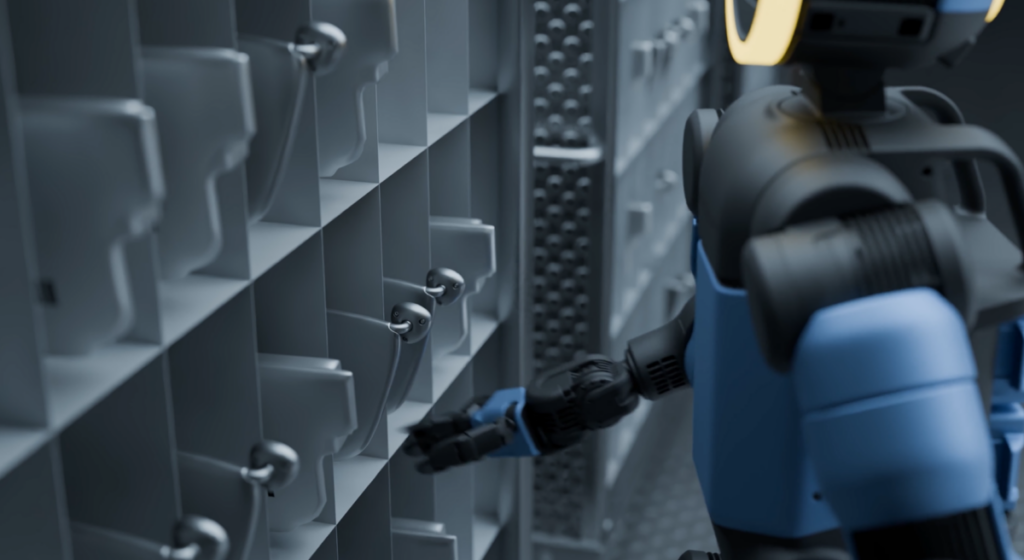
If NVIDIA presented the brain of physical AI, Boston Dynamics showed what that intelligence looks like when placed inside a body. Atlas became one of the most talked about robots at CES 2026 and was named the best robot of the show by several major media outlets. Its performance marked what many observers described as the beginning of a true humanoid robotics era.
Atlas is built with 56 degrees of freedom, fully rotating joints, and hands equipped with advanced tactile sensors. This allows it to move in ways that go beyond simple imitation of human motion. It can perform rotations and flexible actions that humans cannot, making it especially well suited for complex industrial and logistics environments.
Hyundai Motor Group also revealed that Atlas is being tested with Google DeepMind’s Gemini Robotics model. Instead of simply scanning its surroundings, the robot uses simulation based learning to decide how to lift, move, and manipulate objects safely and efficiently. This represents a shift from scripted automation to robots that can reason and adapt in real time.
Hyundai plans to begin deploying Atlas on vehicle assembly lines starting in 2028. Unlike traditional factory robots that repeat fixed motions, Atlas is designed to work alongside people, assembling parts and managing logistics as a collaborative assistant.
AI Chips and AI PCs Are Bringing Data Center Intelligence to Personal Devices
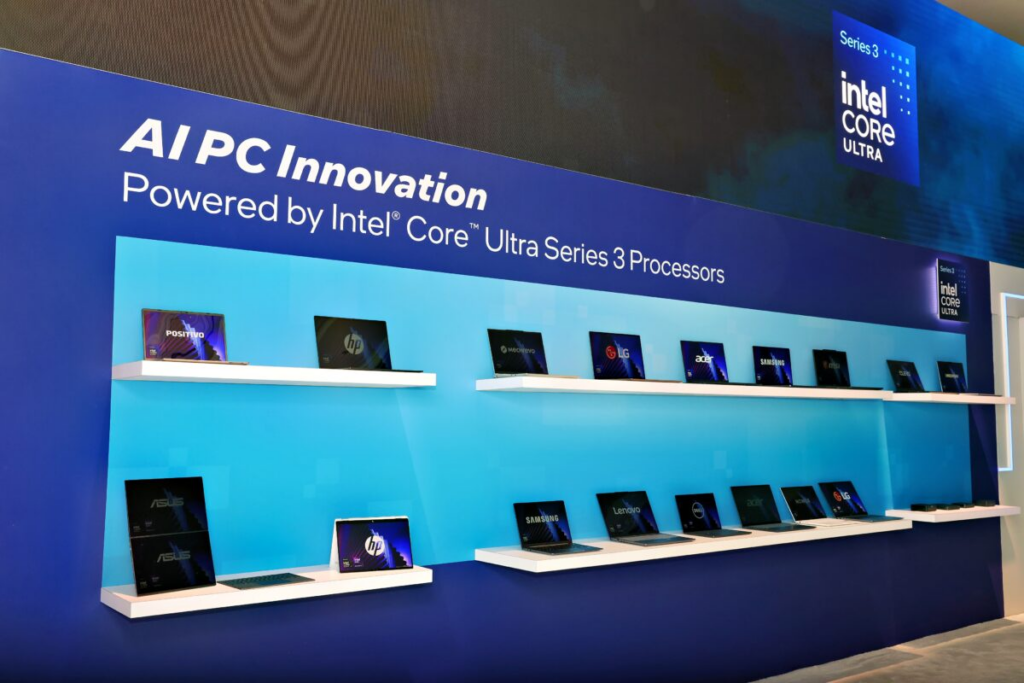
CES 2026 made it clear that AI is no longer limited to cloud platforms. It is becoming deeply integrated into personal devices. AMD, Intel, and Qualcomm all introduced new processors equipped with powerful neural processing units, pushing the competition for on device AI into a new phase.
AMD unveiled its Ryzen AI 400 series, which includes NPUs capable of up to sixty trillion operations per second. CEO Lisa Su described the AI PC not as a tool, but as an active partner that understands user intent and assists in daily tasks. The developer focused Ryzen AI Halo platform demonstrated that large language models can now run locally on laptops with impressive speed and efficiency.
Intel responded with the launch of its Core Ultra Series 3, built on its advanced 18A manufacturing process. These chips offer major improvements in both power efficiency and AI performance and will be used in more than two hundred upcoming AI PC designs.
Qualcomm took a different approach with the Snapdragon X2 Plus. By boosting single core performance by thirty five percent while maintaining extremely long battery life, Qualcomm aims to bring AI PCs to a much broader range of users, including the budget laptop market.
Lenovo Qira Is One AI Assistant That Works Across All Devices
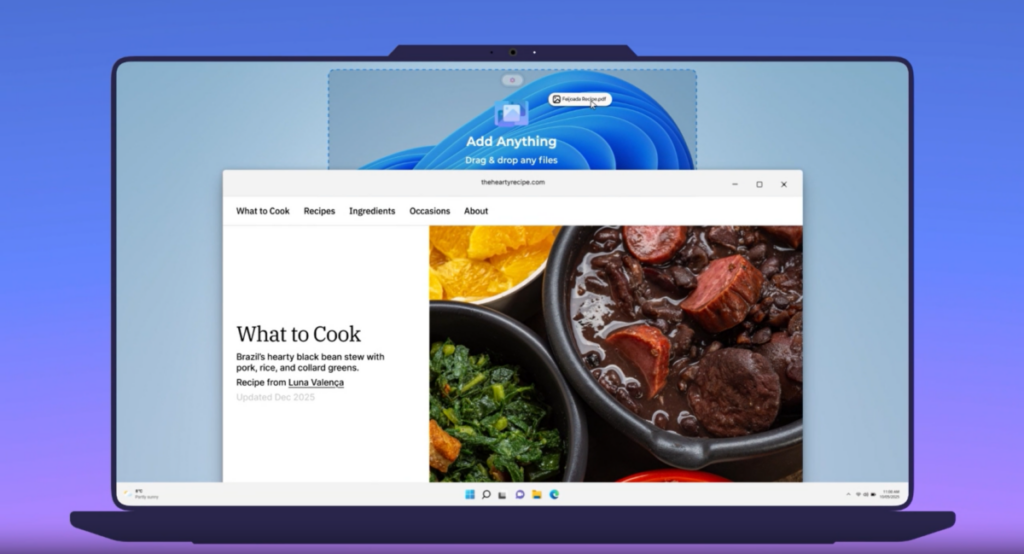
As hardware became more powerful, competition among AI software agents also intensified. One of the most widely praised products at CES 2026 was Lenovo’s AI assistant Qira, which won the Best AI award.
Qira connects PCs, smartphones, and tablets across different operating systems into one unified personal agent. No matter which device a user is on, Qira follows their work and keeps everything in sync.
Its most distinctive feature is its ability to learn a user’s habits and work context. When someone says tell me what I missed today, Qira gathers emails and messages from across devices and presents a clear summary. It also allows tasks started on a phone to continue seamlessly on a PC.
To balance security and performance, Qira uses a hybrid system. Sensitive personal data is processed on the device, while more complex computations are handled in the cloud.

Hyper Personalization and Digital Health Show How AI Is Becoming Truly Personal
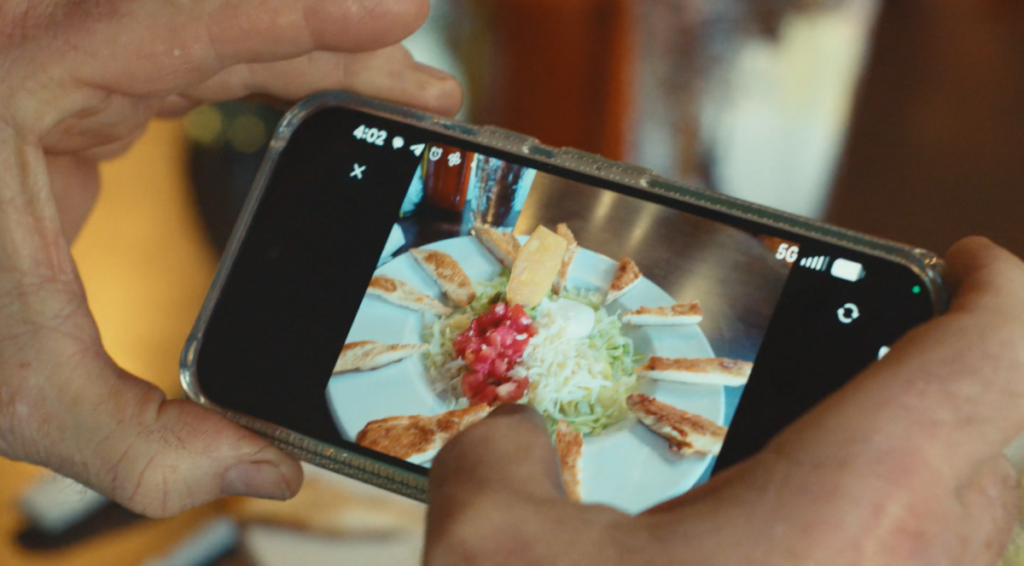
Hyper personalization was one of the most important themes at CES 2026. On device AI now learns from a user’s real time health data, mobility patterns, and security information, making personalized services the new standard.
One of the most talked about products was Orphe’s smart insole, which won a CES Innovation Award. The insole tracks weight distribution and balance over 24 hours and uses that data to provide guidance for medical rehabilitation and disease prevention. It showed how AI is moving beyond simple tracking toward practical health support.
LBSTech also demonstrated an AI system designed for seniors and wheelchair users. By analyzing walking conditions and transfer routes in real time, it provides highly personalized navigation that makes daily movement safer and easier. This was a clear example of how technology can directly improve quality of life.
The biggest headline in digital health was the launch of ChatGPT Health by OpenAI. Developed in collaboration with more than 260 medical specialists worldwide, the service securely integrates medical records and wellness app data. It helps users understand their test results and prepare for doctor visits with greater clarity. To protect privacy, OpenAI introduced separate encryption and a dedicated health memory system so sensitive data is not used for model training.
Digital health in 2026 is no longer limited to monitoring. It is expanding into early detection, prognosis, and even virtual nursing. The Consumer Technology Association noted that wearables and AI agents are now forming an intelligent healthcare ecosystem that improves both patient experience and clinical efficiency.
Smart Homes TVs and Entertainment Are Being Redefined by Intelligent Displays
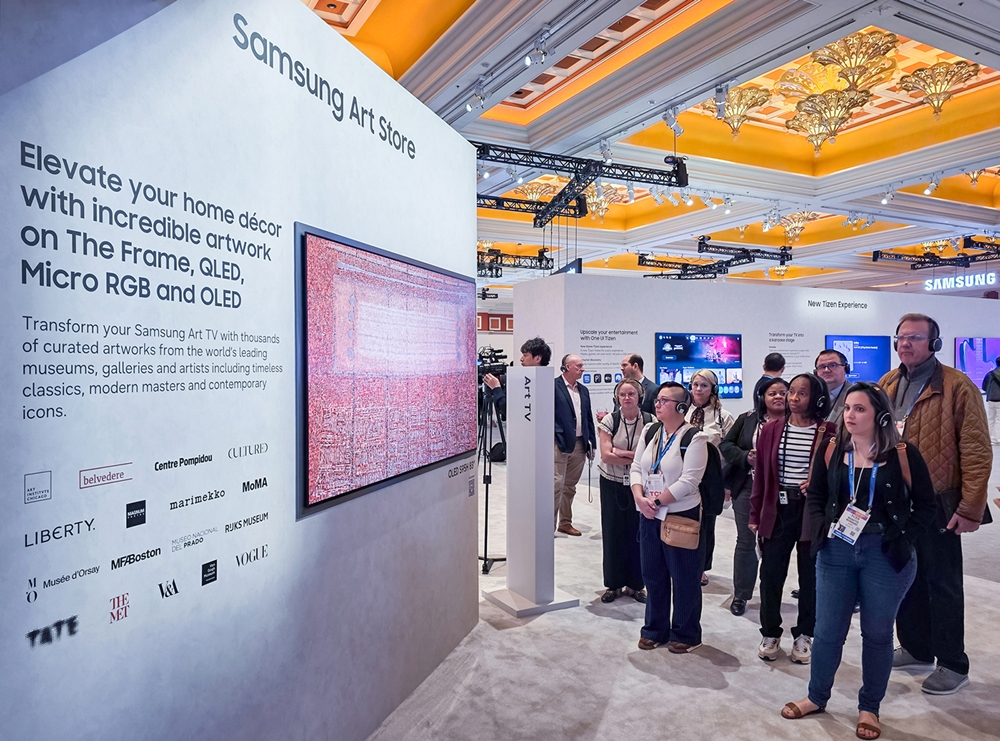
At CES 2026, display technology once again pushed beyond its physical limits. Screens are no longer just surfaces for watching content. They are becoming the visual and interactive center of the home, connecting entertainment, smart home functions, and everyday life into a single experience. This shift was especially clear in the way leading TV brands and appliance makers presented their latest innovations.
- A New Standard for OLED Picture Quality
Samsung’s S95H was widely praised by major technology media, with PCMag calling it the most impressive TV at CES 2026. It delivers 35% higher brightness than the previous model and introduces burn in prevention technology for the first time in a Samsung OLED TV. Its ultra thin panel and zero gap wall mount design allow it to sit flush against the wall like a piece of art, while its advanced image processing and gaming optimization make it equally appealing to movie lovers and gamers.
- Color Accuracy Moves Closer to the Real World
Hisense introduced a new Sky Blue light source to reproduce subtle shades of sky and ocean that older TVs could not display. This allows its Mini LED displays to show colors that are much closer to what the human eye sees in nature. It also signals how competition in the TV market is shifting away from brightness and toward realism.
- Home Appliances Become Mobile AI Assistants
Samsung and LG revealed AI home robots that move around the house, manage air quality, play music based on a user’s mood, and remind people to take their medication. These robots go far beyond cleaning. They act as mobile assistants that monitor the home and support everyday routines, showing how smart appliances are evolving into active household partners.
Mobility and Industrial Physical AI Are Moving Intelligence into the Real World
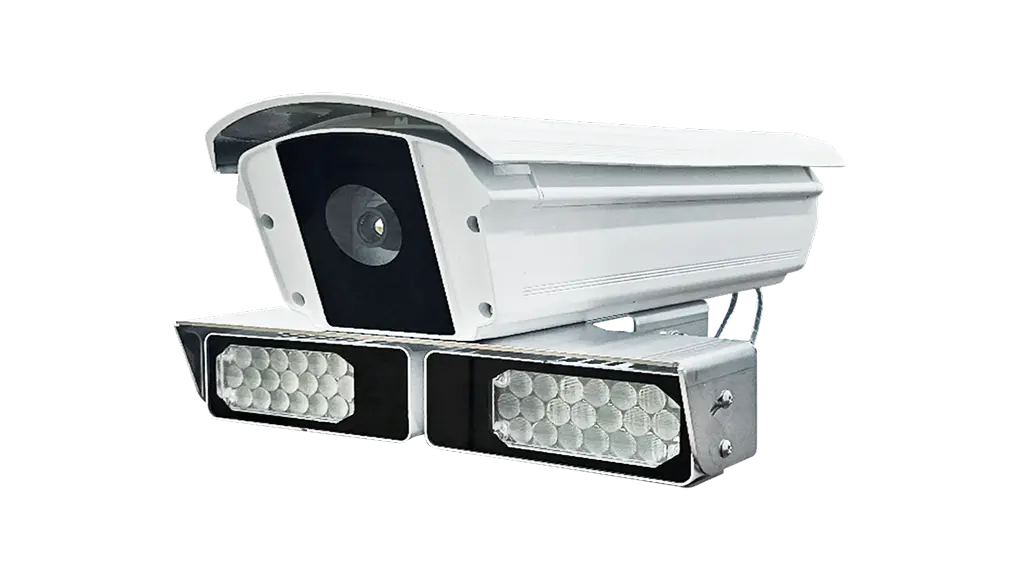
At CES 2026, one of the most important ideas was physical AI. Intelligence is no longer limited to screens or software. It is now embedded in cameras, sensors, vehicles, and machines that operate directly in the real world. Instead of simply identifying what it sees, AI is beginning to take responsibility for what happens next.
One of the clearest examples was ‘VIXallcam’, which received a CES Innovation Award. The system can detect objects up to 200 m away with 98% accuracy, even in rain or fog. For large trucks, this level of visibility can mean the difference between avoiding a collision and causing a serious accident.
The same shift is appearing in everyday mobility. Autonomous delivery robots such as the AA 2 are now able to ride elevators and deliver packages directly to apartment doors without human help. Intelligent navigation systems also guide seniors and wheelchair users by analyzing walking routes and transfer points in real time, helping people move through cities more safely and with greater independence.
In agriculture, drones are being used to monitor crops and apply fertilizer only where it is needed. Instead of treating entire fields the same way, farmers can now rely on precise data to improve yields and reduce waste. Across industries, physical AI is quietly becoming a reliable partner that improves safety, efficiency, and sustainability in ways that were not possible before.
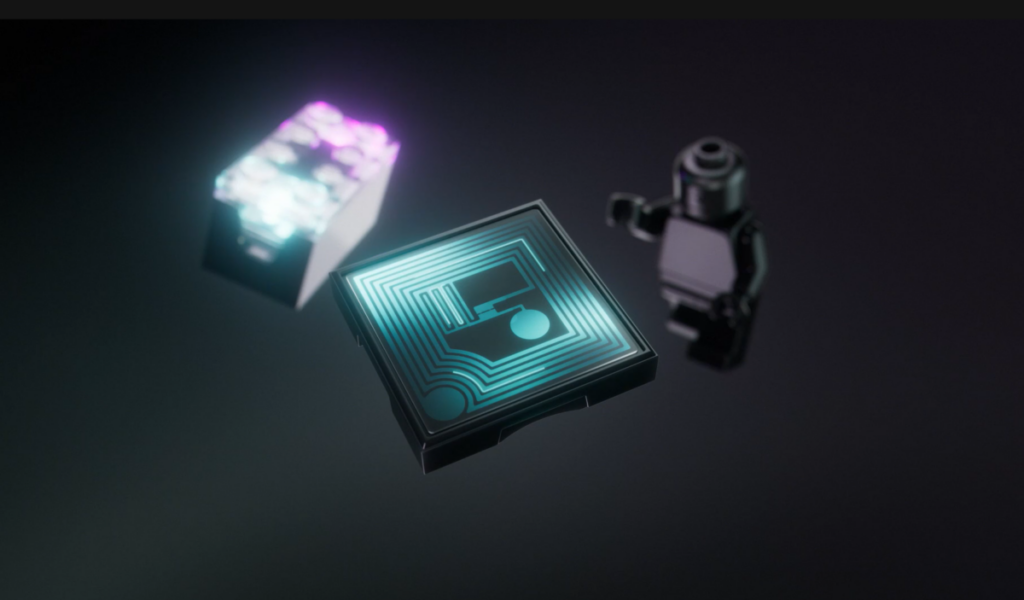
Lego Smart Bricks Bring Intelligent Technology into Physical Play
At CES 2026, the Lego Group unveiled what it called its biggest innovation in 46 years, a new system known as Smart Play. From the outside, the bricks look like ordinary 2 by 4 Lego blocks. Inside, however, each one contains a tiny semiconductor chip, an accelerometer, LED lights, and a small speaker. These components allow the bricks to respond with sound and light when children build, shake, or move them, without the need for a smartphone or an app. The goal is to encourage hands on play and keep children engaged with the physical world rather than screens.
The real strength of Smart Bricks lies in their ability to understand context. The same brick behaves differently depending on how it is used. When placed in a car, it produces engine sounds. When attached to an airplane, it creates wind and flight noises. Because the bricks include motion sensors, pushing a car faster makes the engine sound louder, while flipping an airplane upside down can trigger a pilot’s voice. This real time feedback turns simple building into an interactive storytelling experience that encourages imagination and creativity.
What CES 2026 Told Us
CES 2026 delivered a simple but powerful message. Artificial intelligence is no longer just an advanced technology. It is becoming part of the basic infrastructure of everyday life. We have moved beyond adding smart features to products and entered a period in which intelligence itself is reshaping industries, services, and daily experiences.
This year’s show demonstrated how AI is evolving into physical systems that can move, see, and act in the real world. From factories and logistics to living rooms and healthcare, intelligent machines are beginning to work alongside people in meaningful ways. Systems that understand patients, robots that assist in daily routines, and machines that support human decision making are no longer distant ideas. They are becoming part of the present.
What once belonged to science fiction is now taking shape in front of us. CES 2026 made it clear that this future is not coming someday. It is already here.

Leave a Reply
You must be logged in to post a comment.